
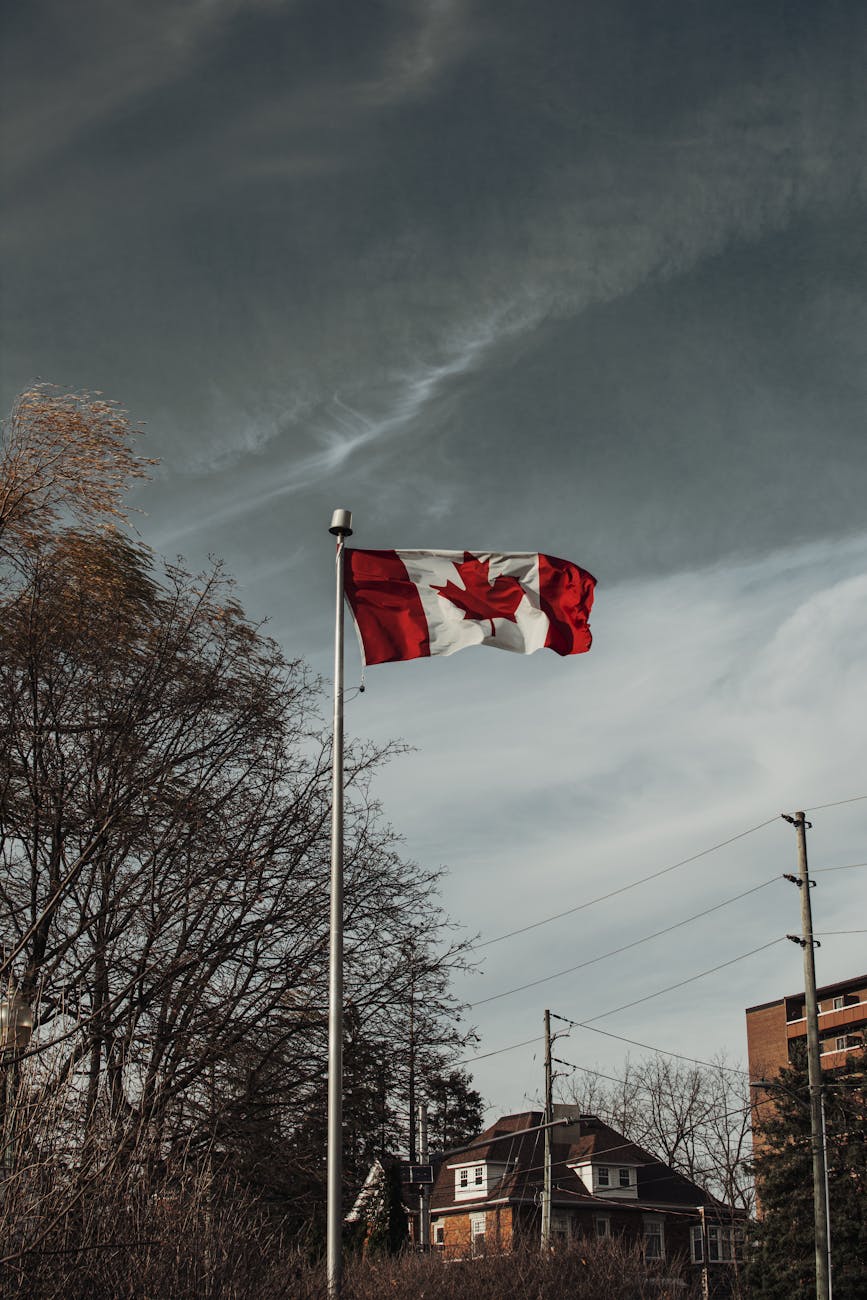
This Grist article details a dramatic shift in Canada’s environmental policy under Prime Minister Mark Carney, who has pivotally reversed much of the country’s former climate agenda in favor of backing the fossil fuel sector.
Article: https://grist.org/business/once-a-climate-leader-canada-is-now-doubling-down-on-oil/
The Political Pivot
- A Shift from the Trudeau Era: Under former Prime Minister Justin Trudeau, Canada was known for ambitious climate goals, carbon taxes, and clean tech subsidies. After taking office, Prime Minister Mark Carney drastically shifted gears to protect the country’s fossil fuel industry.
- Dismantling Key Policies: Carney has rolled back several core climate initiatives, including scrapping the federal electric vehicle mandate and eliminating the highly unpopular consumer carbon tax on gas stations and utility bills.
The Landmark Alberta Deal
- Watering Down the Industrial Carbon Tax: The federal government struck an Implementation Agreement with the oil-producing province of Alberta. The deal lowers the headline price of the industrial carbon tax and slows its rate of increase by three-quarters, establishing a low price floor of just CAD $110 per tonne by 2040.
- Paving the Way for a Massive Pipeline: To help Alberta sell its excess inland oil, the deal eases environmental permitting laws, sets up a CAD $25 billion development fund, and lays the groundwork to fast-track a new 1-million-barrel-per-day crude oil pipeline to British Columbia’s coast.
- Loosened Carbon Capture Rules: While federal approval for the pipeline is conditional on oil sands companies building carbon capture and storage infrastructure, the new deal allows these projects to be phased in over time, resulting in fewer emission reductions than the companies originally promised in 2022.
Economic and Geopolitical Drivers
- Insulation Against Trade Wars: Carney—a former central banker—is pitching this reversal as an economic necessity to shield Canada from a potential severe downturn triggered by U.S. President Donald Trump’s disruptive trade agenda.
- Global Energy Disruption: Geopolitical turmoil, including the war in Iran and massive oil supply disruptions in the Persian Gulf, has caused global energy uncertainty. Carney argues that boosting domestic oil and gas helps secure Canada’s economic independence.
- National Unity Pressures: The policy shift is also an attempt to appease powerful conservative factions in Alberta who have heavily campaigned to secede from Canada over federal climate restrictions on their natural resources.
- Natural Gas Expansion: Alongside oil, Carney launched a National Electricity Strategy to double Canada’s power grid capacity by 2050, explicitly leaning on expanded natural gas usage to ensure grid stability for power-intensive industries like artificial intelligence and mining.
Backlash and Criticism
- Pleasing Neither Side: The compromise has drawn widespread fire. Environmental advocates and left-wing politicians condemn the strategy as short-sighted, arguing it locks Canada into a reliance on fossil fuels that the rest of the world is actively trying to phase out, risking billions in future “stranded assets.”
- Industry Demands More: Concurrently, conservative leaders and major oil producers in Alberta continue to pressure Ottawa for even fewer regulations, arguing that any level of industrial carbon taxing leaves Canada at a global competitive disadvantage.
Carney’s Strategy to Expand Canada’s Electricity Grid
This video report outlines the “Powering Canada Strong” initiative, highlighting how natural gas has been reintegrated into Canada’s long-term energy strategy to stabilize the grid.
 Climate News Now
Leave a comment