
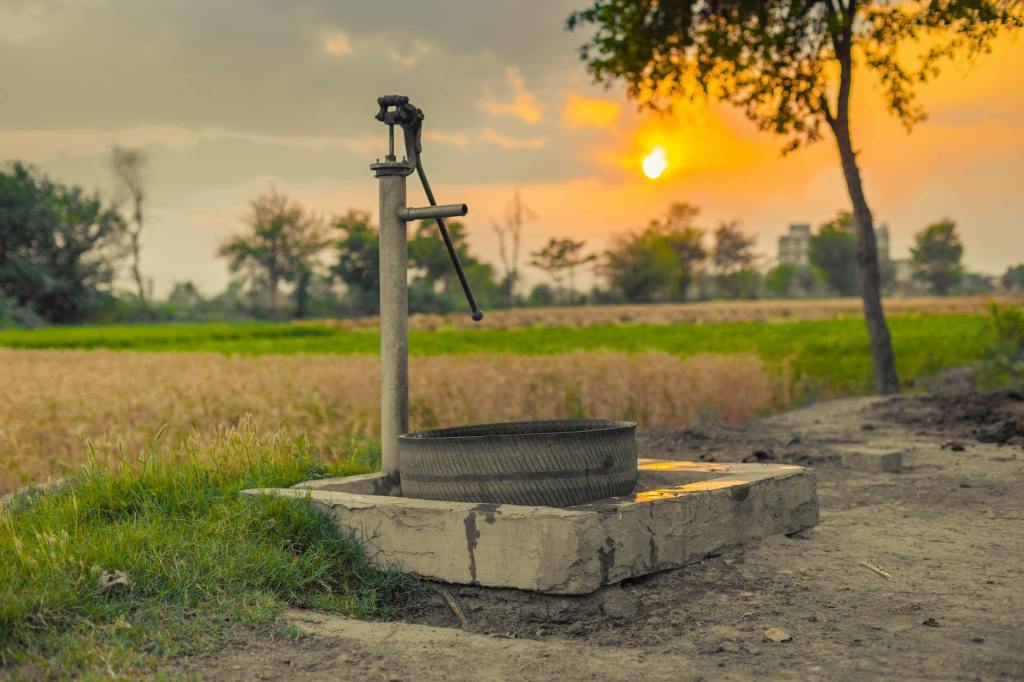
Parkinson’s Risk Tied to Newer Drinking Water Sources— Findings support growing evidence that environmental factors are linked with Parkinson’s disease
Read more: https://www.medpagetoday.com/meetingcoverage/aan/120743
Source: MedPage Today / American Academy of Neurology Annual Meeting Research
Key Findings
- Newer Water Risk: Drinking water from “newer” groundwater sources (Anthropocene-aged) is linked to a higher risk of developing Parkinson’s disease (PD).
- Aquifer Type Matters: Parkinson’s risk was 24% higher in areas using municipal or private wells from carbonate aquifers compared to all other types.
- Glacial Comparison: When compared specifically to glacial aquifers, the risk in carbonate systems increased to 62%.
- Protective “Maturity”: Older groundwater (Pleistocene-aged) showed a protective trend. For every standard-deviation increase in groundwater age, the risk of PD dropped by approximately 6.5%.
Geologic and Environmental Factors
- Carbonate vs. Glacial: * Carbonate aquifers (limestone) dissolve easily, allowing surface contaminants to move quickly through cracks into the water supply.
- Glacial aquifers (sand and gravel) act as a natural filter, potentially removing neurotoxicants more effectively.
- Anthropogenic Contaminants: Newer water is closer to the surface and more likely to contain human-made pollutants like pesticides and industrial chemicals, whereas older, deeper water is better shielded.
Study Methodology and Context
- Large Scale: The case-control study analyzed 12,370 Medicare beneficiaries with incident PD and 1.22 million controls.
- Broad Scope: Participants lived near 1,279 sampling sites across 21 principal U.S. aquifers.
- Supporting Research: This joins other environmental links to PD, such as living within one mile of a golf course (doubling risk) and exposure to the industrial solvent trichloroethylene.
Clinical and Public Health Recommendations
- Potential Mechanism: Exposure to contaminants likely damages dopamine-producing neurons in the brain.
- Actionable Steps: * Regular testing of private wells (at least annually).
- Strengthening municipal water treatment systems.
- Improved monitoring of groundwater pollutants.
- Protecting aquifers from toxic runoff to reduce long-term neurodegenerative risks.
 Climate News Now
Leave a comment