
- The most recent decade, spanning the time after the agreement was signed, has recorded the hottest temperatures in history, with extreme heat becoming the standard.
- The entire period following the signing of the landmark Paris Agreement has featured temperatures ranking among the warmest years ever documented.
- Experts now concede that a temporary warming increase beyond the 1.5 target is now unavoidable, beginning in the near future.
- Global warming is perceived to have accelerated rapidly, primarily due to ever-increasing levels of greenhouse gases in the atmosphere.
- A decade ago, the 1.5 warming limit was projected to be decades away; based on current data, that threshold is now expected to be reached within only a few years.
- Despite the global commitment to combat climate change, emissions have steadily increased, reaching record highs recently.
- The rise in atmospheric carbon dioxide and methane concentrations since the agreement was signed represents the largest one-year increase ever recorded in recent history.
- While fossil fuel emissions remain the major cause, carbon released by wildfires also contributes significantly to atmospheric pollution and degraded air quality.
- Positive progress has been made in projected long-term warming; the initial outlook for future warming has been lessened due to countries’ policy commitments, though the current path still exceeds safe limits.
- Extreme heat events have become more probable, more frequent, and more intense globally since the time of the Paris Agreement.
- On average, countries worldwide are now experiencing multiple additional unusually hot days per year compared to the decade before the agreement.
- Several extreme heat events analyzed were found to be virtually impossible without human-caused climate change, or significantly more likely to occur than they were previously.
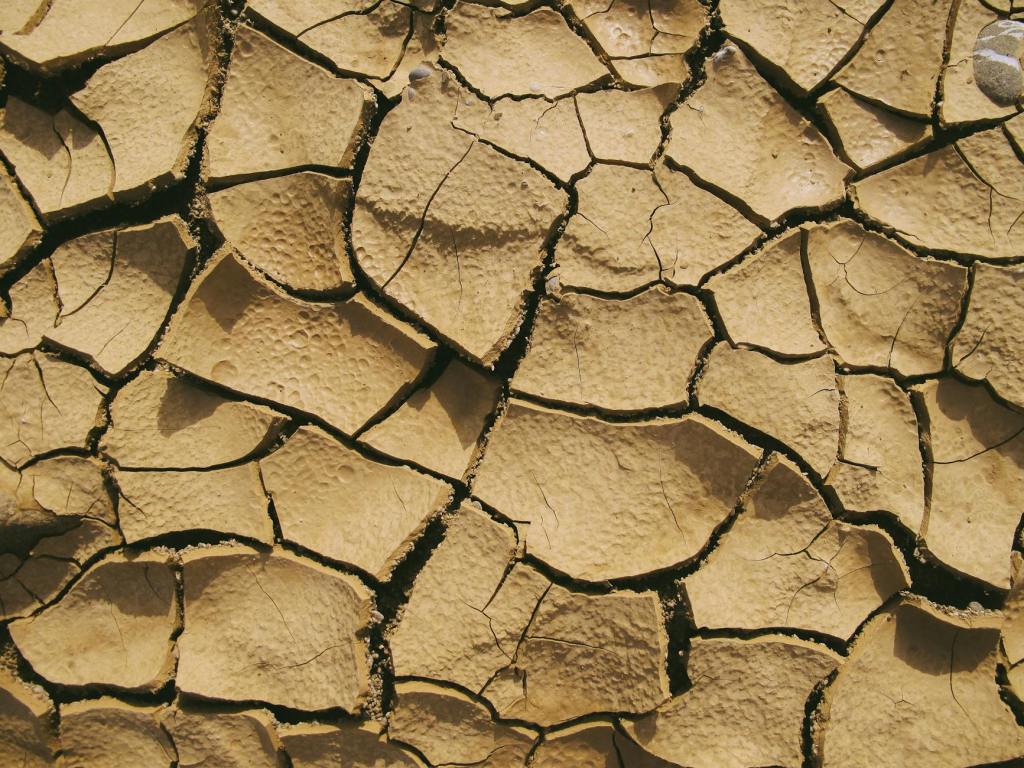
How Much Hotter Is The World Since The Paris Agreement? Here’s What A Decade Of Data Shows
 Climate News Now
Leave a comment