
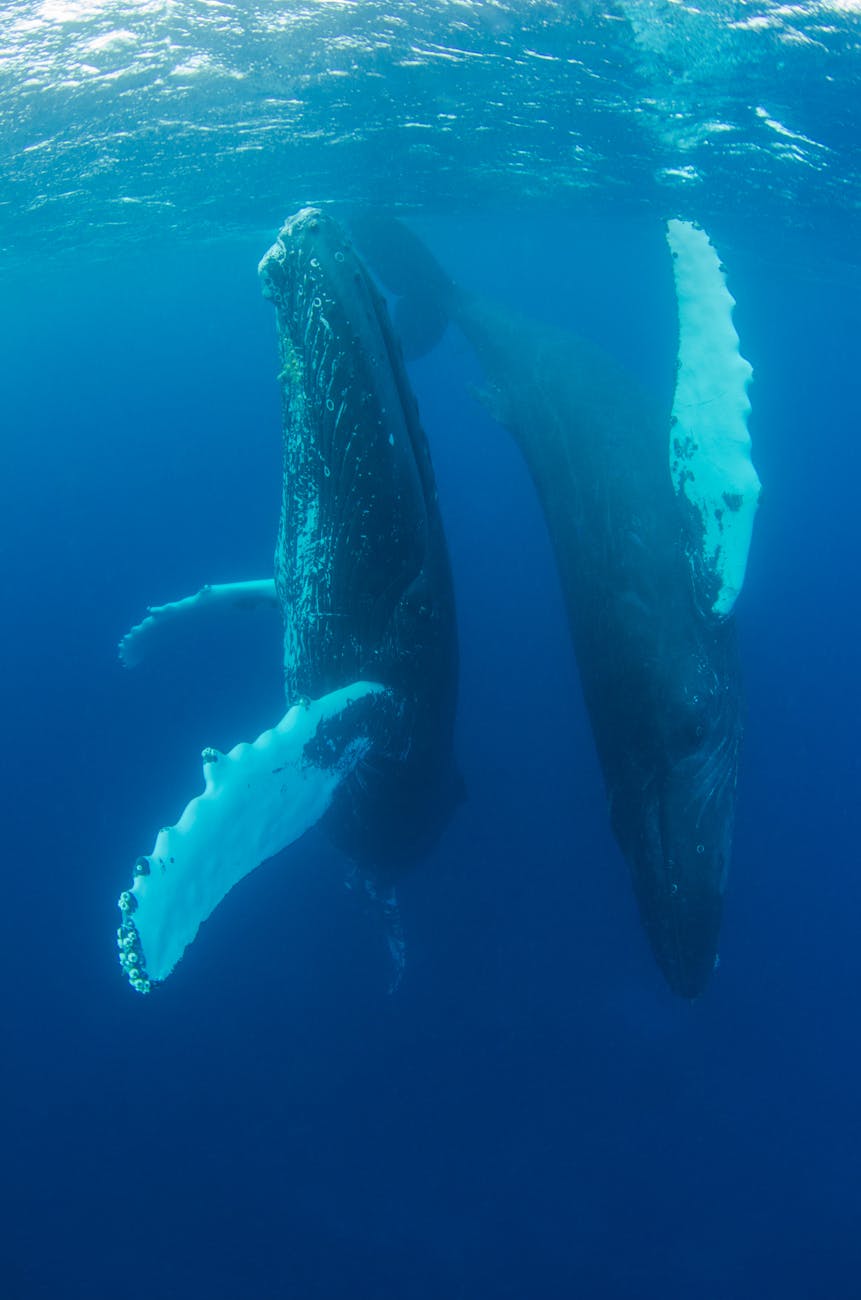
Widespread PFAS Contamination in Marine Life
- No Place to Hide: The study analyzed tissues from 127 toothed whales and dolphins across 16 species in New Zealand waters and found that deep-sea species (like sperm whales) have high, sometimes “unprecedented,” levels of contamination, similar to coastal species.
- Contradictory Finding: Scientists had initially expected deep-diving species to have lower concentrations of Polyfluoroalkyl Substances (PFAS) due to their distance from surface pollution sources, but the data showed that habitat location is a poor predictor of contamination levels.
- Indicator Species: Whales and dolphins were chosen as “indicator species” because the chemical levels found in them reflect the overall health and pollution burden of their surrounding ecosystem.
The Danger of Forever Chemicals
- What are PFAS? PFAS are human-made, toxic chemicals used in common products like non-stick cookware, food packaging, and stain-resistant fabrics.
- Persistence: They are dubbed “forever chemicals” because they take thousands of years to break down naturally in the environment.
- Health Risk: While the full extent of harm to wildlife is still being investigated, researchers warn that PFAS may disrupt marine mammals’ immune and reproductive systems.
- Broader Threat: The contamination, combined with other climate-driven stressors, poses a growing and widespread threat to marine biodiversity.
Impact on Humans
- Widespread Human Exposure: PFAS already contaminates the bodies of nearly all people, including children and pregnant women.
- Associated Illnesses: In humans, PFAS exposure has been linked to a variety of serious health issues, including cancer, infertility, thyroid disease, and immune system suppression.
 Climate News Now
Leave a comment