Read more at Carbon Brief
- A team of scientists traveled to Blomstrandbreen glacier in Svalbard, Arctic Ocean (the fastest-warming place on Earth).
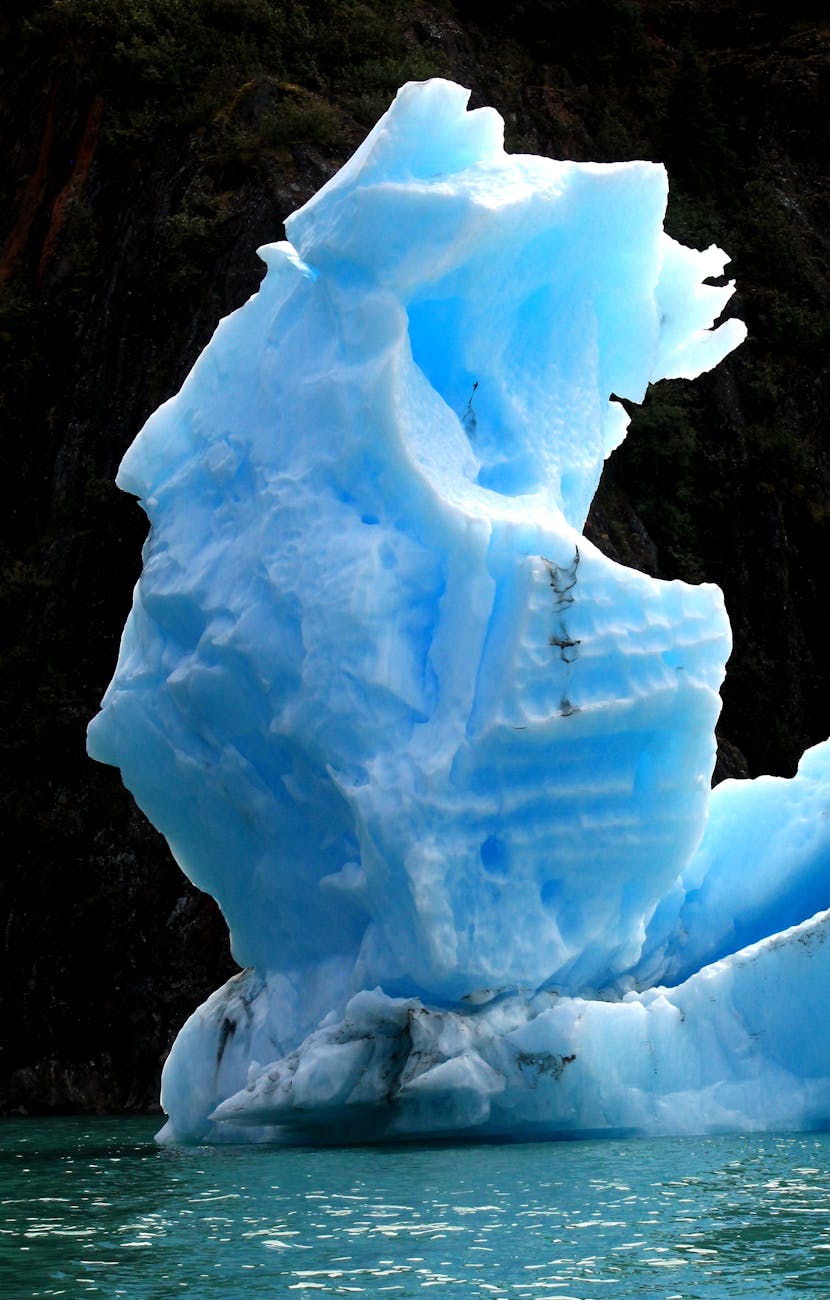
- The glacier is rapidly melting, causing calving events (ice breaking off) and filling the sea with car-sized ice chunks.
- The sound of the melting ice—a “strange cracking and popping sound”—is the nearly 200-year-old air trapped inside the ice bubbles escaping.
- Ice cores are cylinders of ice drilled from glaciers that contain trapped air, chemicals, and dust.
- This material provides proxy data—an indirect, historical record of Earth’s past climate and atmospheric composition
- Climate change is causing dramatic glacier retreat, putting this historical information at risk of being lost forever.
- Rising air temperatures cause surface melting.
- Rising ocean temperatures melt marine-terminating glaciers (like Blomstrandbreen) from below, increasing calving.
- Net ice loss from glaciers has more than doubled since 2000. If global warming exceeds 1.5 percent half the world’s glaciers are expected to disappear by the end of the century.
Dr. Dorothea Moser’s Research
- Dr. Dorothea Moser is racing to investigate the impact of rapid melting on the climate records preserved in the ice.
- The problem is meltwater intrusion: Meltwater penetrates deep into the ice, washing away compounds and disrupting the climate signal, like “someone has spilled a cup of tea all over the pages.”
- Moser’s research involves field experiments where she simulates meltwater flow using liquid dyed with food coloring on top of the snow layer.
- The goal is to understand how meltwater moves and affects the preserved particles, ultimately helping scientists salvage climate data from melt-affected ice cores.
- Despite seeing the devastating effects of climate change firsthand (eco-anxiety), Moser remains hopeful, believing that their work matters and that there is still time to act.

 Climate News Now
Leave a comment