Read more at The Guardian
- Scientists are calling for new global regulations on air pollution from the space industry due to a recent increase in rocket launches and satellite activity.
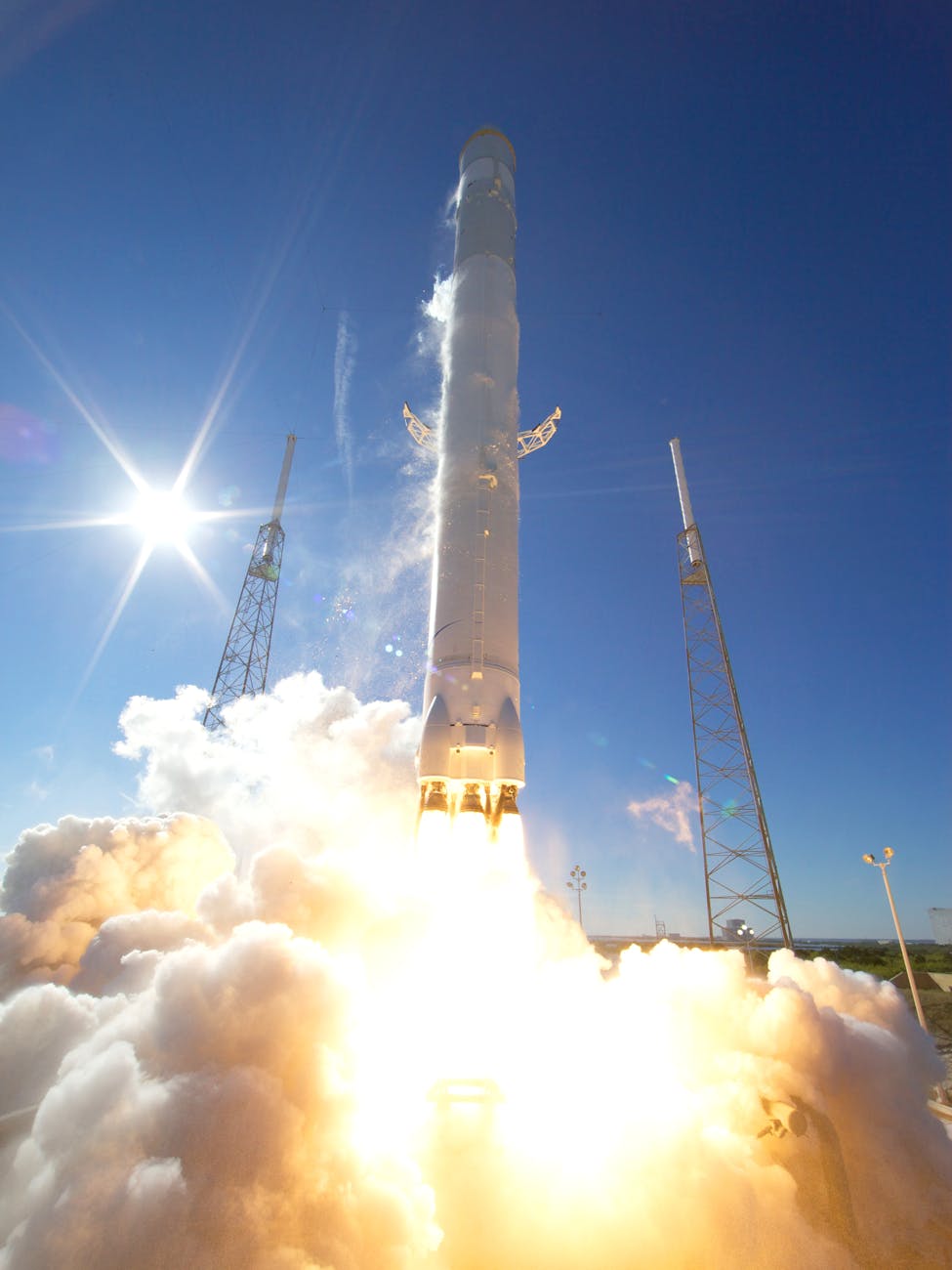
- In 2024, there were 259 rocket launches, which burned over 153,000 tonnes of fuel.
- Launches of large satellite constellations like Starlink and OneWeb have tripled emissions of soot and carbon dioxide.
- While the total amount of pollution from spacecraft is less than other industries, the soot and CO2 they produce remain in the upper atmosphere much longer and can have up to a 500 times greater climate warming impact than ground-level sources.
- Future mega-constellations like Amazon Kuiper will use solid rocket fuel, which produces chlorine compounds that damage the ozone layer.
- The increase in launches and the limited lifespan of these satellites means thousands of objects are now re-entering the atmosphere each year, vaporizing into tiny metal particles.
- Current international space law, based on the principle that the launching country owns the object, makes it difficult to regulate activities like space debris cleanup.

 Climate News Now
Leave a comment