Read more at The New York Times
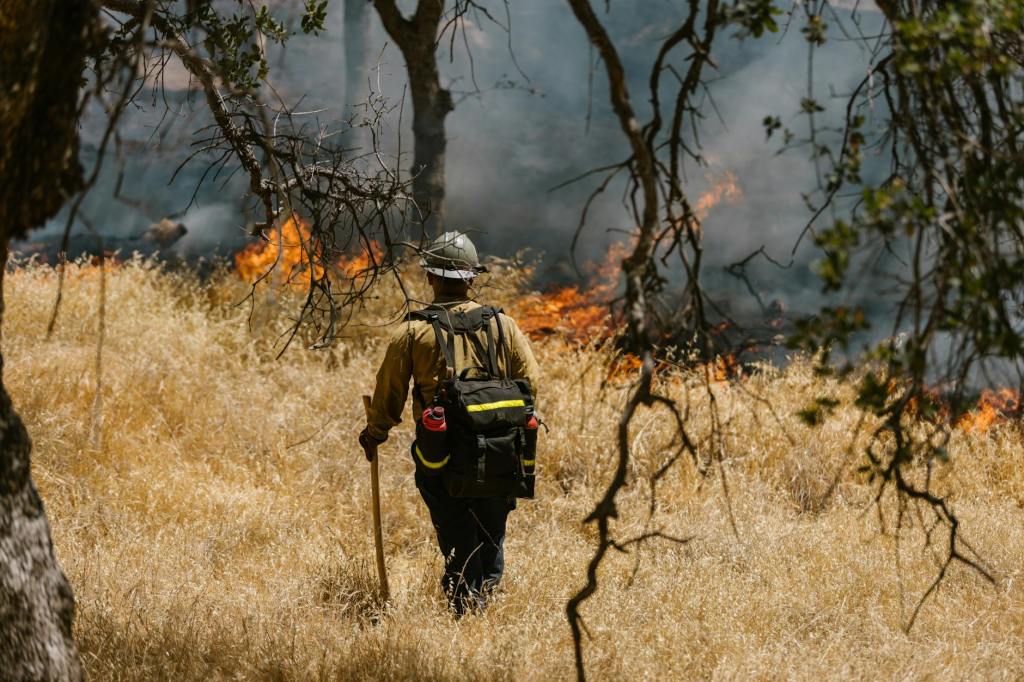
- Hazardous Working Conditions: Wildfire fighters are frequently exposed to toxic smoke and ash, but unlike urban firefighters, they often work without proper respiratory protection, such as masks. Instead, they typically use only a cloth bandana or nothing at all.
- Health Consequences: The article highlights numerous cases of firefighters who have become severely ill or died from conditions linked to smoke inhalation. These health issues include non-Hodgkin lymphoma, brain tumors, heart problems, chronic obstructive pulmonary disease (COPD), and the need for lung transplants. Many are being diagnosed with these illnesses at a young age, including in their 20s and 30s.
- Forest Service’s Stance: The U.S. Forest Service has resisted providing masks to its crews despite decades of internal research and external recommendations from agencies like the CDC. The agency claims masks pose a risk of heat stress, which could reduce work capacity. However, officials and researchers cited in the article suggest a different motivation: admitting the danger of smoke exposure could lead to expensive changes, such as increased breaks, higher pay, and long-term health care costs for workers.
- Resistance to Change: The agency has reportedly fought against a new federal mandate to provide masks. There’s also a cultural stigma among some wildland firefighters who view masks as uncomfortable, restrictive, and a sign of weakness. However, younger firefighters are reportedly more open to wearing them, and some supervisors have begun purchasing masks for their crews on their own.
- Insufficient Support and Acknowledgment: The article notes that the Forest Service has not systematically tracked the long-term health of its crews, making it difficult to get a definitive count of smoke-related illnesses. While a 2022 law granted federal firefighters workers’ compensation for certain cancers and other illnesses, the process has been slow and difficult for sick firefighters to navigate. A long-term health study for firefighters was also disrupted by administrative layoffs.
- Comparisons to Other Firefighting Fields: The article contrasts the situation with that of urban firefighters and emergency workers after 9/11. Both groups initially resisted masks, but mandates eventually led to their widespread use and a reduction in elevated cancer rates. Other countries with major wildfire seasons, like Canada and Australia, are already providing respirator masks to their crews.
 Climate News Now
Leave a comment