Read more at Inside Climate News:
- No agreement reached: Despite a 2022 UN resolution mandating a legally binding treaty, the talks failed to produce a deal. This was the fifth round of negotiations over two years.
- Deep divisions: The primary reason for the failure was a deep division between two groups of countries.
- Pro-regulation bloc: A large group of about 80 to 100 countries, including the European Union and many developing nations, pushed for a treaty with legally binding limits on plastic production.
- Anti-regulation bloc: A smaller group, including fossil-fuel producers, opposed any limits on production, as oil and gas are the primary raw materials for plastics.
- U.S. position: The United States, a major plastics manufacturer, aligned itself with the countries blocking action. It stated its opposition to any restrictions that would harm U.S. companies and workers, and argued against a “one-size-fits-all” approach. This position is consistent across both the Biden and Trump administrations.
- Concerns about the process: Some delegates, like those from Panama and South Africa, expressed frustration with the consensus-based system, arguing that it allows a small minority of countries to block progress and cater to the fossil fuel industry.
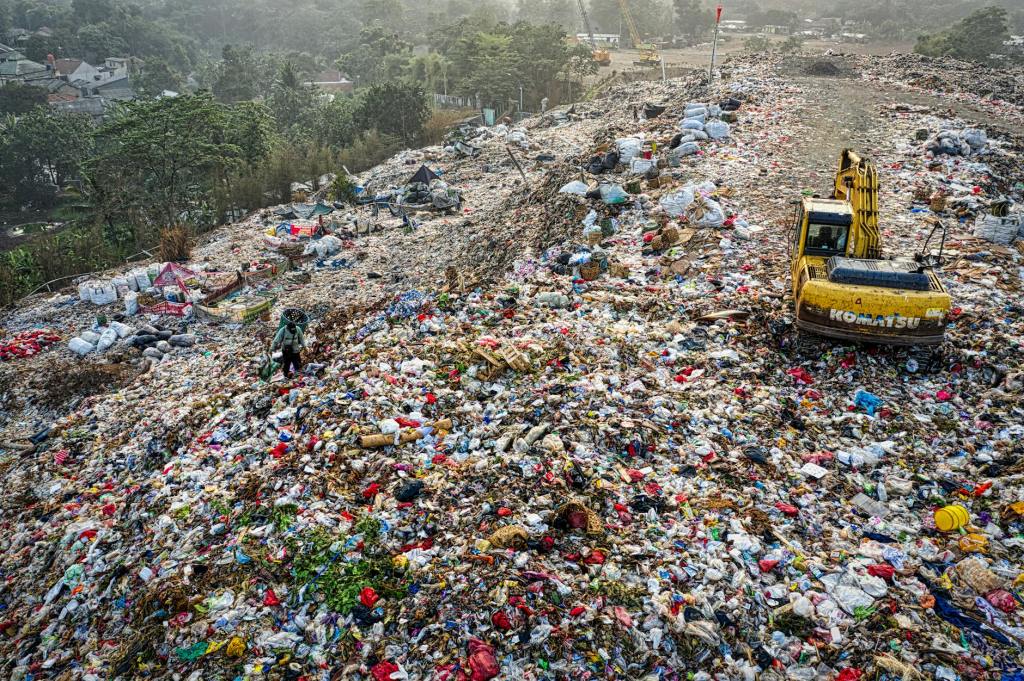
- Future outlook: The failure means that plastics pollution, including the growth of “island-sized rafts of rotting plastic” in oceans and health impacts from microplastics, will continue to increase. Discussions on the treaty will resume at the UN Environment Assembly in Kenya in December.
 Climate News Now
Leave a comment