Read more at The Guardian
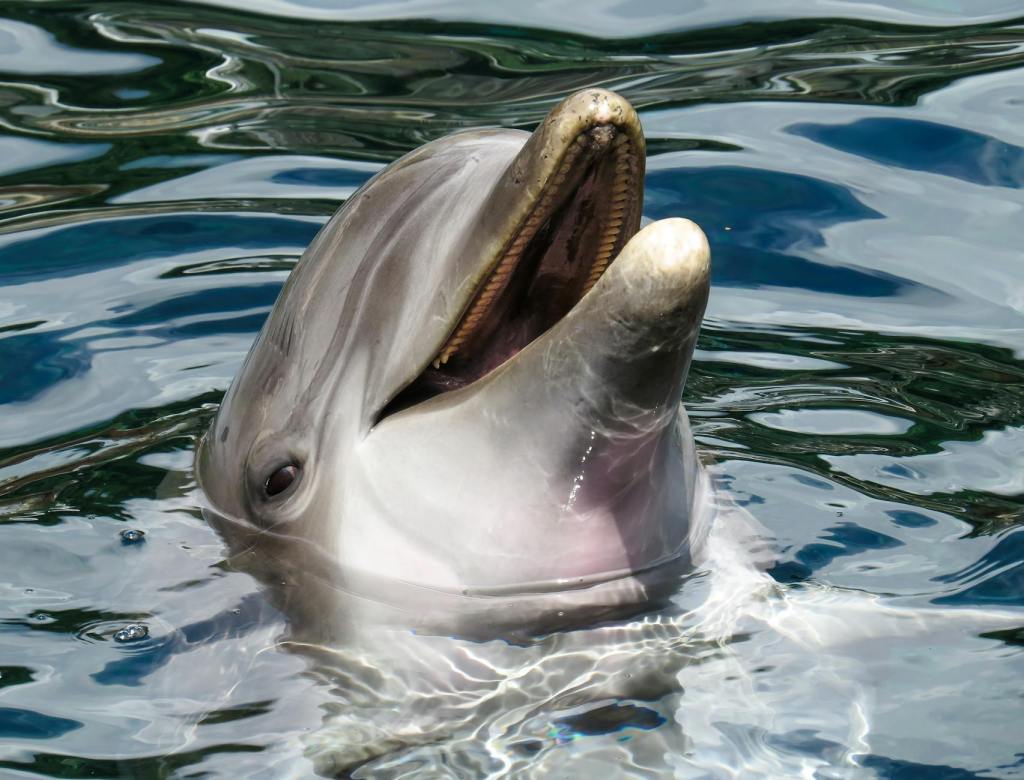
- Jeju’s Dolphin Population: Approximately 130 Indo-Pacific bottlenose dolphins, including one named Orae (meaning “long life”), inhabit the waters around Jeju Island, South Korea.
- Threats to Dolphins: Many dolphins bear scars from discarded fishing gear (entanglement and cuts), close encounters with boats and jetskis, construction noise affecting sonar, and pollution/runoff from fish farms. A new large windfarm is also a concern.
- “Dolphin Man” Efforts: Jeongjoon Lee, known as “Dolphin Man,” a Korean director, actively documents and helps the dolphin population by cutting entangled fishing lines from them.
- Push for Legal Personhood: A coalition of campaigners and environmentalists is seeking to have the bottlenose dolphin population recognized as “legal persons” in South Korea, a first attempt in the country for an animal.
- Benefits of Legal Personhood: This status would allow individuals or companies threatening the dolphins’ livelihood to be sued on their behalf, providing stronger legal protection.
- Conservation Status: The dolphins are officially listed as “near threatened” by the IUCN, but a lack of data makes accurate assessment difficult, and island-dwelling subpopulations likely face greater threats.
- Personalization Strategy: The local NGO, Marine Animal Research and Conservation (Marc), names individual dolphins and produces booklets with their dorsal fin photos to help islanders relate to and support their conservation.
- Recent Victory & Remaining Challenges: A small marine protected area (MPA) was designated on the west side of Jeju in April, specifically for bottlenose dolphins. However, rules need to be tightened to include fishing boats and expand the protected area to cover the entire side of the island.

 Climate News Now
Leave a comment