
Read the full article at The Guardian
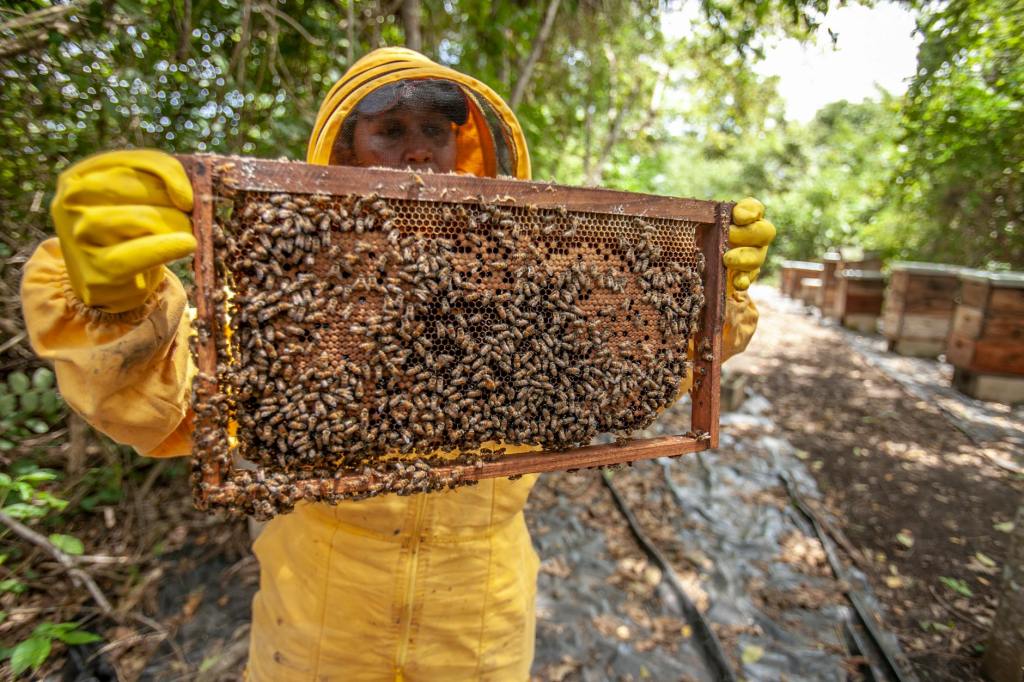
Beekeepers at the Brink: Beekeepers are struggling to rebuild colonies due to high losses and increasing costs, with annual losses of 30% or more becoming standard, threatening their livelihoods and the pollination services they provide.
Record Bee Die-Off: US beekeepers experienced the largest honeybee die-off on record last winter, losing an average of 60% of their colonies, costing an estimated $600 million. Bret Adee, a large US beekeeper, lost 75% of his bees, expressing fear of a “death spiral.”
Varroa Mite Resistance: A USDA research paper (not yet peer-reviewed) identifies parasitic Varroa mites and the bee viruses they spread as key culprits. The study found nearly all tested colonies had a bee virus, and crucially, all mites tested showed resistance to amitraz, the primary chemical used for control.
Ineffective Treatment: This resistance to amitraz means the only remaining effective synthetic miticide is no longer working, leading to uncontrolled mite numbers and more virulent viral outbreaks in hives.
Broader Factors: Experts like Norman Carreck and Dave Goulson emphasize that while mite resistance is significant, it’s not the sole cause. A combination of factors likely contributes to successive colony deaths, including:
Exposure to other pesticides (e.g., neonicotinoids, which harm bees’ nervous systems)
Habitat loss and reduced food sources (pollen and nectar) due to monocrop farming.
Threat to Food Security: The continued loss of honeybee colonies is a serious concern for food security, as bees pollinate over 100 commercial crops in North America, including the massive California almond blossom season.
 Climate News Now
Leave a comment