Read more at the BBC website
- The 1969 Fire: On June 22, 1969, an oil slick on Ohio’s Cuyahoga River ignited from train sparks, burning for less than 30 minutes and causing $50,000 in damage to railroad trestles (equivalent to $428,500 today). No photos of this specific blaze exist.
- Symbolic Catalyst: Despite its brevity, the 1969 fire, especially when coupled with dramatic images of earlier fires (like one from 1952), became a powerful symbol that ignited national conversations on pollution and fueled the nascent US environmental movement.
- History of Pollution: The river became heavily polluted starting in the late 1800s due to steel mills and ancillary industries, which discharged excess chemicals, grease, and raw sewage directly into the river due to virtually non-existent environmental regulations. Industrialization during World War One worsened the problem.
- “Dead River”: By the 1930s, the Cuyahoga was an “open sewer” with no fish or waterfowl, and locals warned against falling in. The river had caught fire at least 12 times prior to 1969, with major blazes in 1936, 1941, 1948, and 1952.
- Mayor Carl Stokes’ Role: Cleveland Mayor Carl B. Stokes, the first Black mayor of a major US city, was a key advocate. He had already secured a $100 million bond for river cleanup in 1968 (over $900 million today). After the 1969 fire, he quickly organized a pollution tour for reporters, emphasizing the regional nature of the problem and connecting it to social justice issues in poorer, industrialized communities.
- Media Amplification: Environmental reporter Betty Klaric’s coverage and Time magazine’s reproduction of the iconic 1952 fire photo (mistakenly or deliberately presented as the 1969 fire) brought the issue to national prominence.
- Legislative Impact: The public outcry culminated in the first Earth Day on April 22, 1970, the establishment of the US Environmental Protection Agency (EPA) by President Richard Nixon, and the passage of the Clean Water Act in 1972, which set restrictions on discharges and acknowledged the need for wastewater treatment.
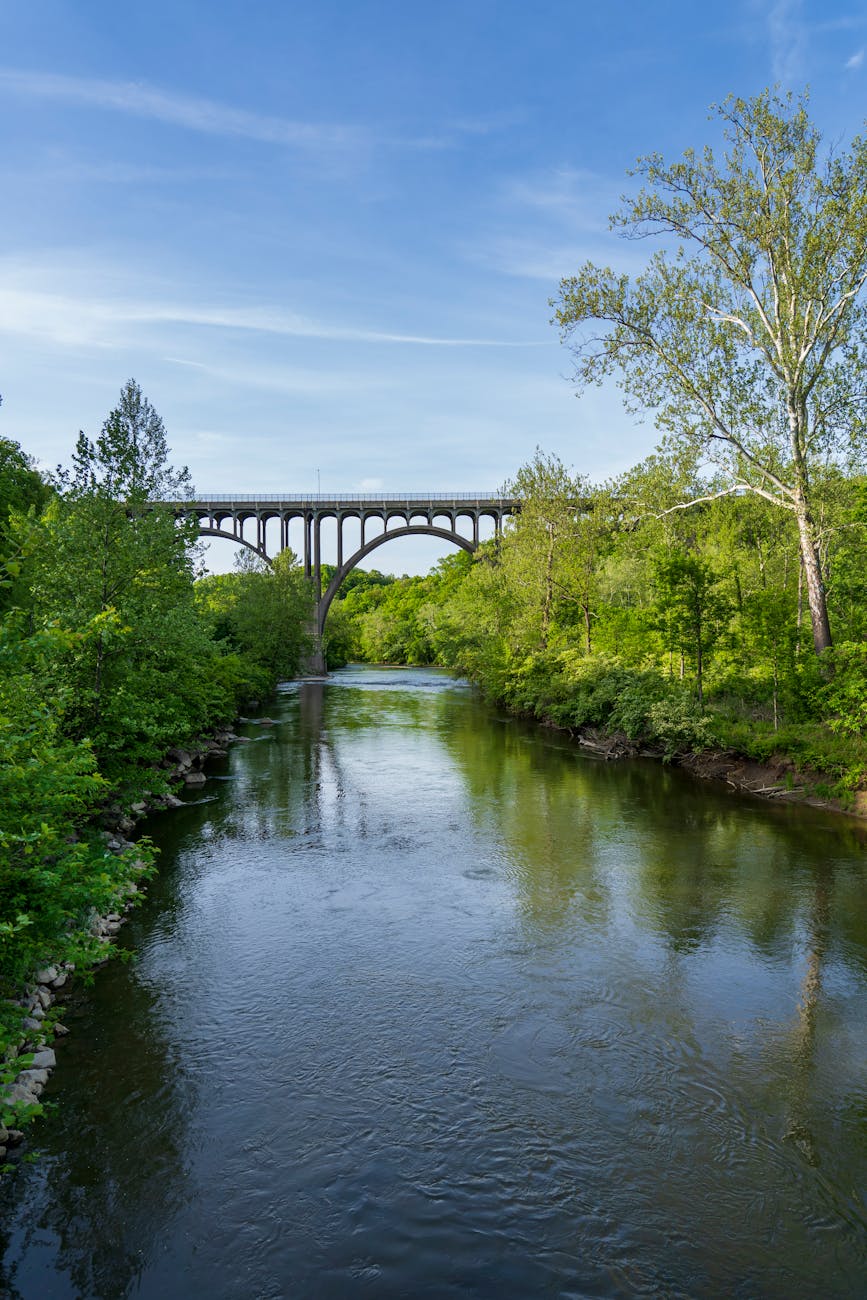
- River’s Comeback: Cleanup efforts were gradual but successful. The Clean Water Act led to industries cleaning up their act and suburbs connecting to expanded sewage treatment. The river is now a recreational “water trail” with returning wildlife (e.g., bald eagles in 2006), and restrictions on fish consumption were lifted in 2019.
- Ongoing Challenges: Despite its significant recovery, the article notes recent weakening of the Clean Water Act by the Supreme Court and EPA grant cancellations, highlighting the ongoing need for federal investment and protection.

 Climate News Now
Leave a comment