
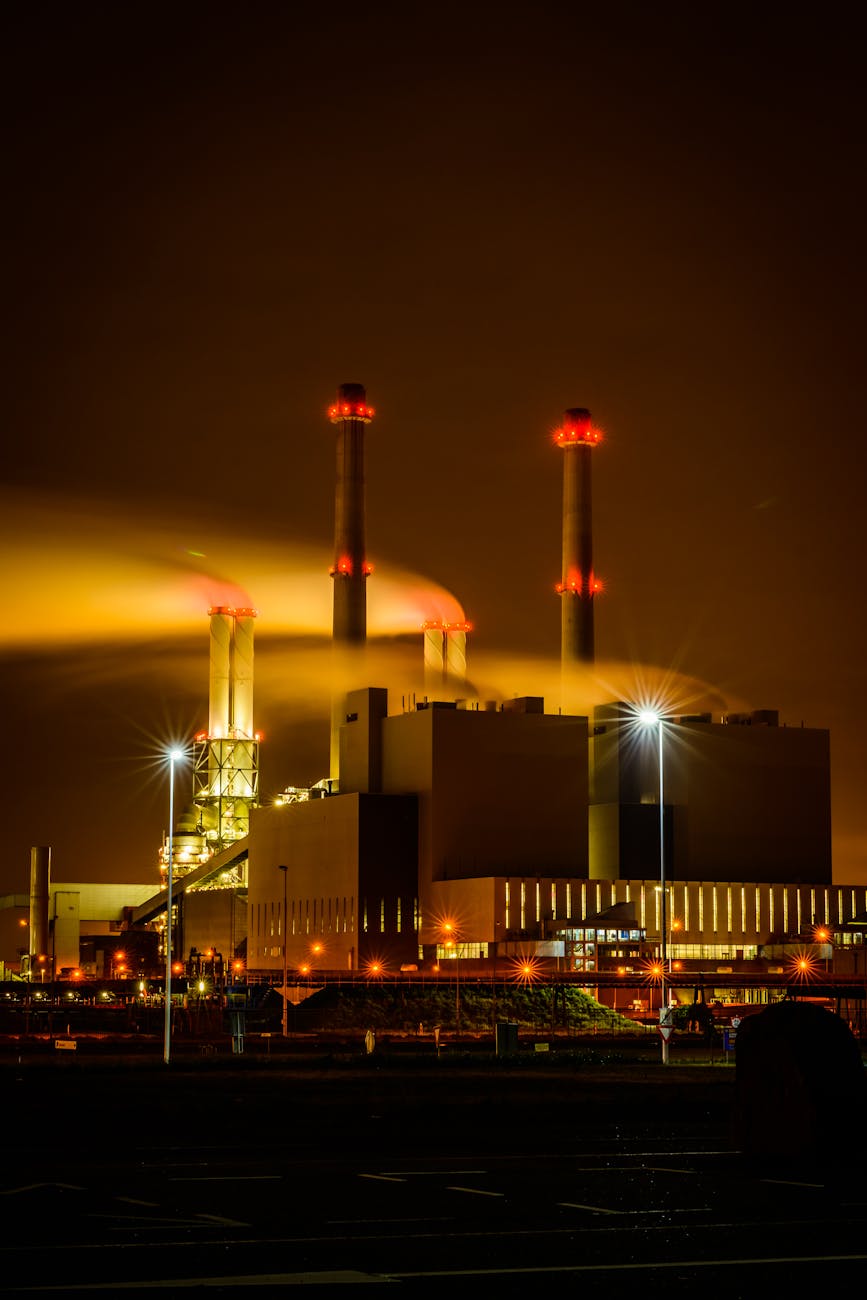
This article explores the challenges and opportunities associated with retired coal plants across the United States.
Key findings:
- Environmental hazards: Decades of coal combustion contaminate soil and groundwater with toxins like arsenic and lead, making redevelopment difficult and expensive. Remediation costs can range from $3.5 million to $200 million.
- Liability concerns: Power plant operators are eager to offload these liabilities, leading to a network of companies specializing in brownfield redevelopment.
- Limited transparency: Shady deals and unclear ownership structures make it difficult to assess true redevelopment plans and hold companies accountable.
- Lost opportunities: Valuable waterfront properties with access to transmission lines sit idle, hindering economic revitalization in affected communities.
Examples:
- Lawrenceburg, Indiana: Tanners Creek power plant closed in 2015, leaving behind contaminated land. The new owner, Tanners Creek Development, has not undertaken significant remediation.
- Six Nations, Canada: Nanticoke, the largest coal-fired plant in North America, closed in 2013. The Six Nations of Grand River Development Corporation partnered with Ontario Power Generation to build a solar farm on the site.
- Washington Township, Ohio: Zimmer power plant closed in 2022. Vistra, the owner, is contesting the property’s tax valuation and hasn’t presented clear redevelopment plans.
- Tonawanda, New York: C.R. Huntley Generating Plant closed in 2016. The town is in a legal battle with NRG Energy, the owner, over the property’s future.
 Climate News Now